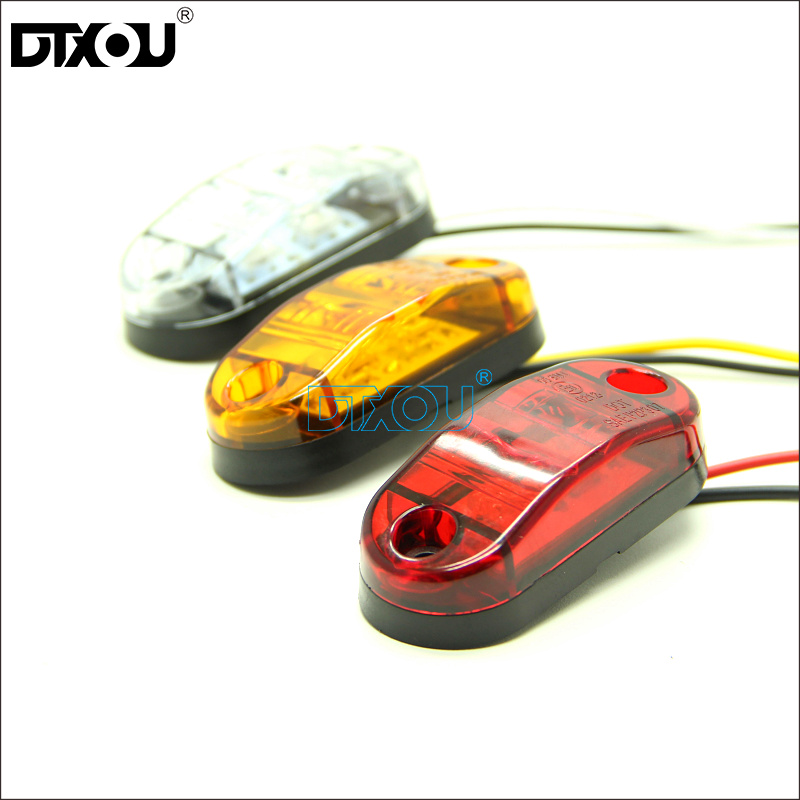
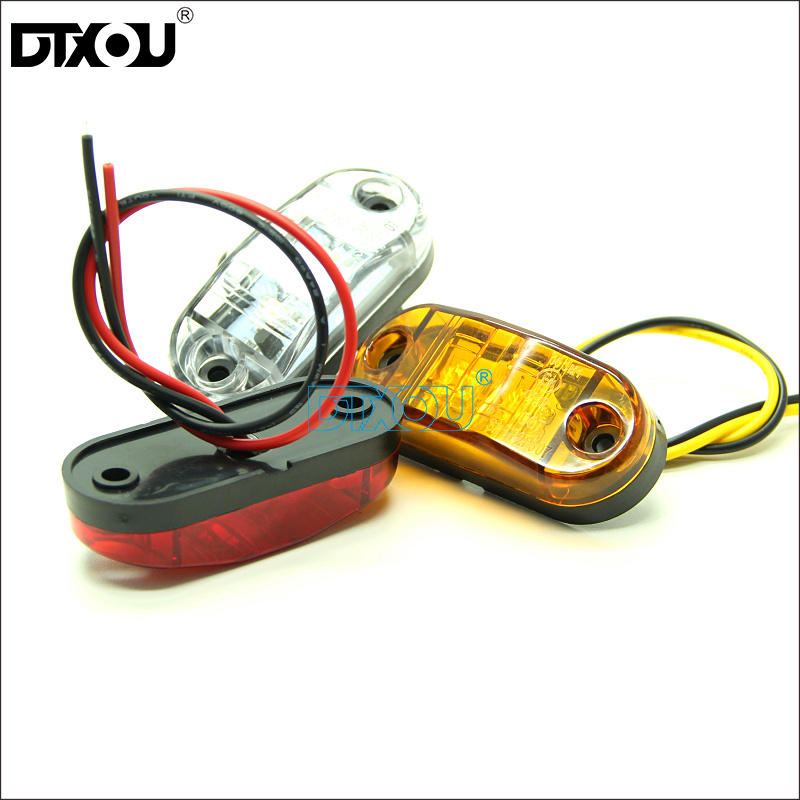
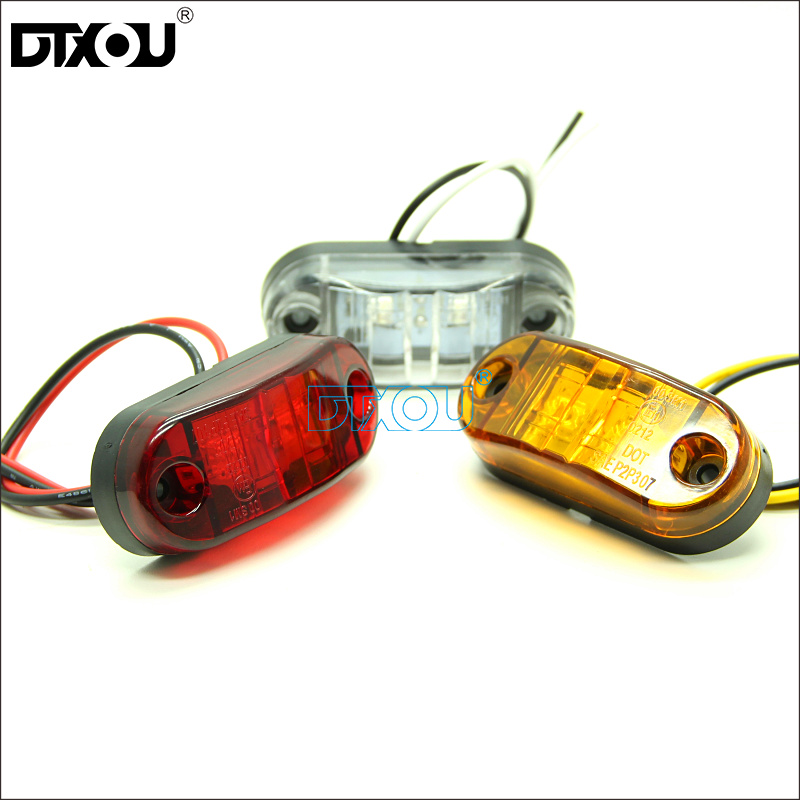
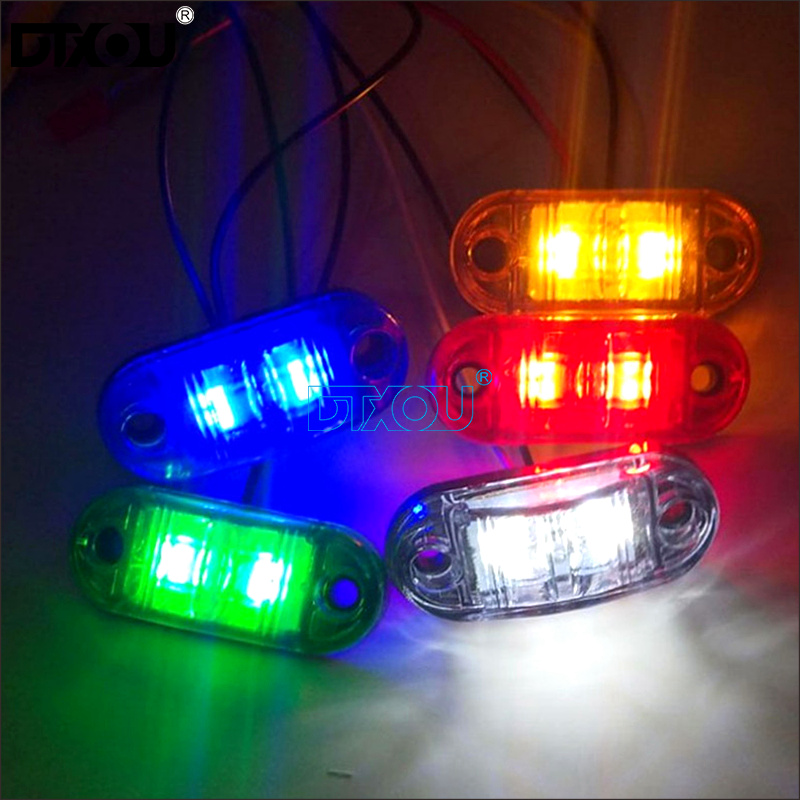
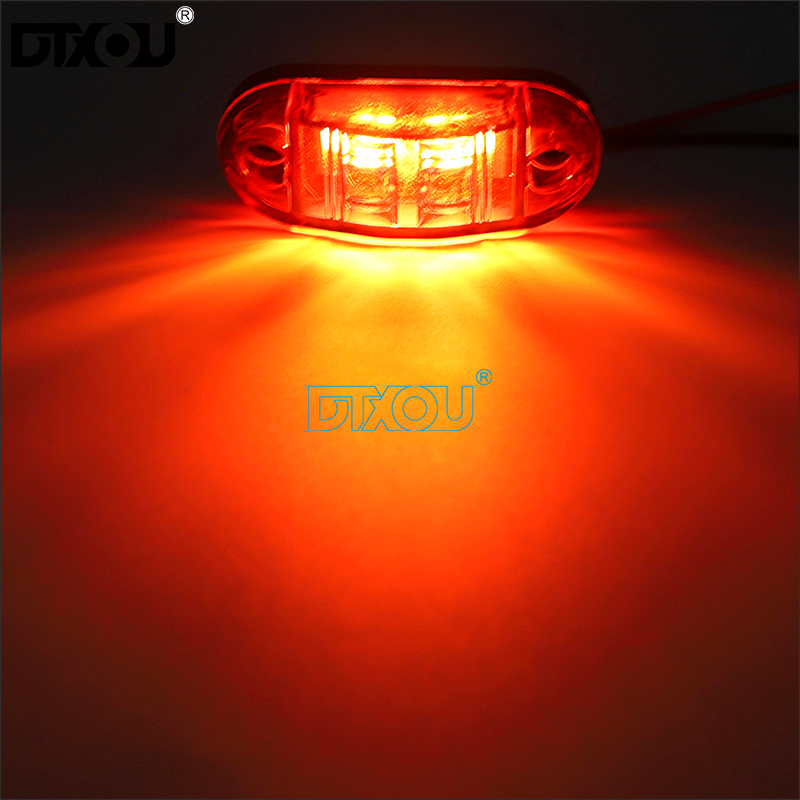
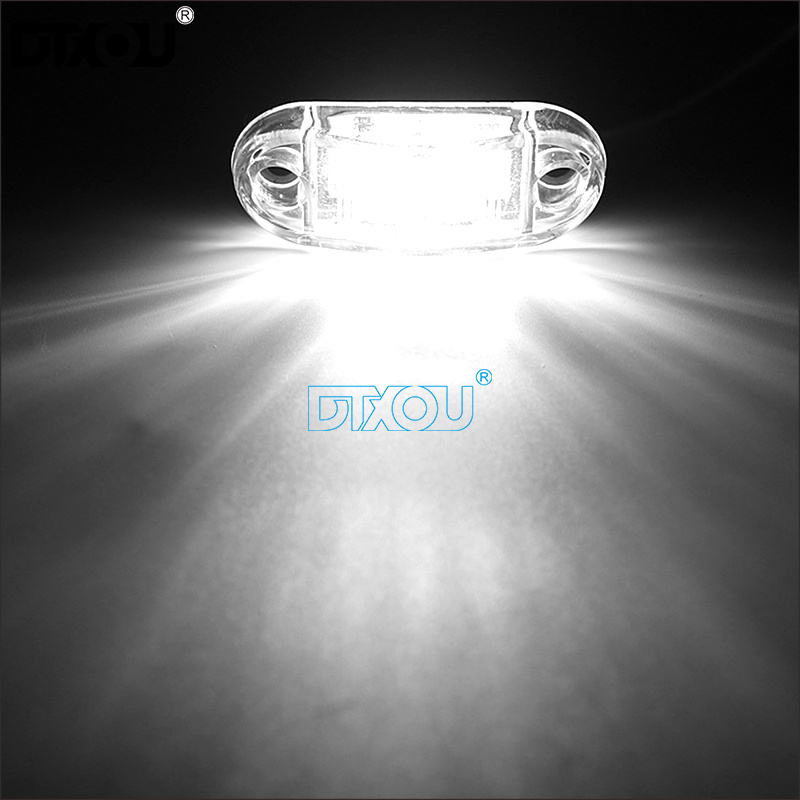
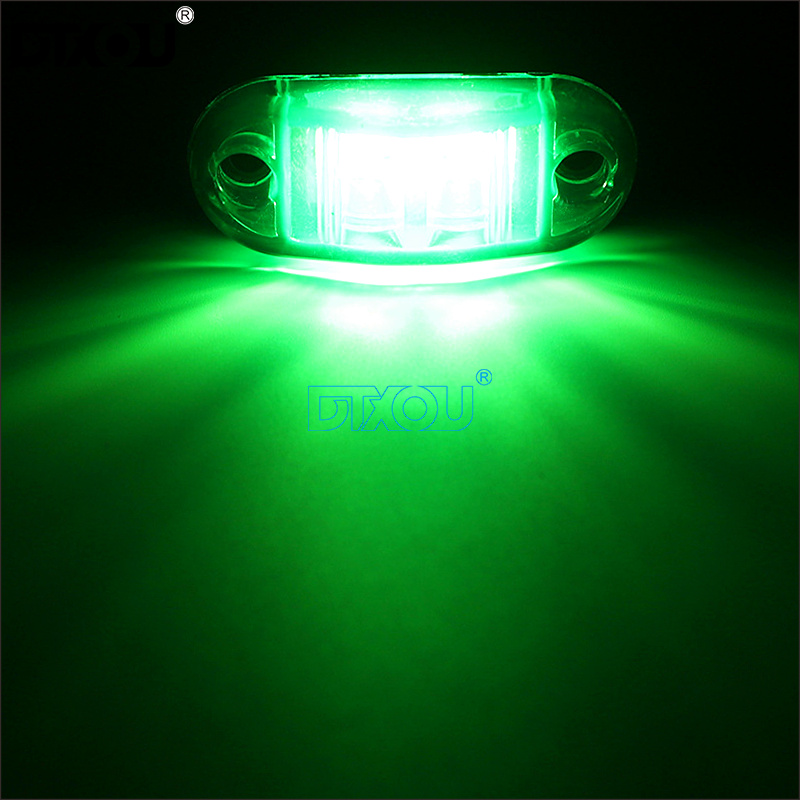
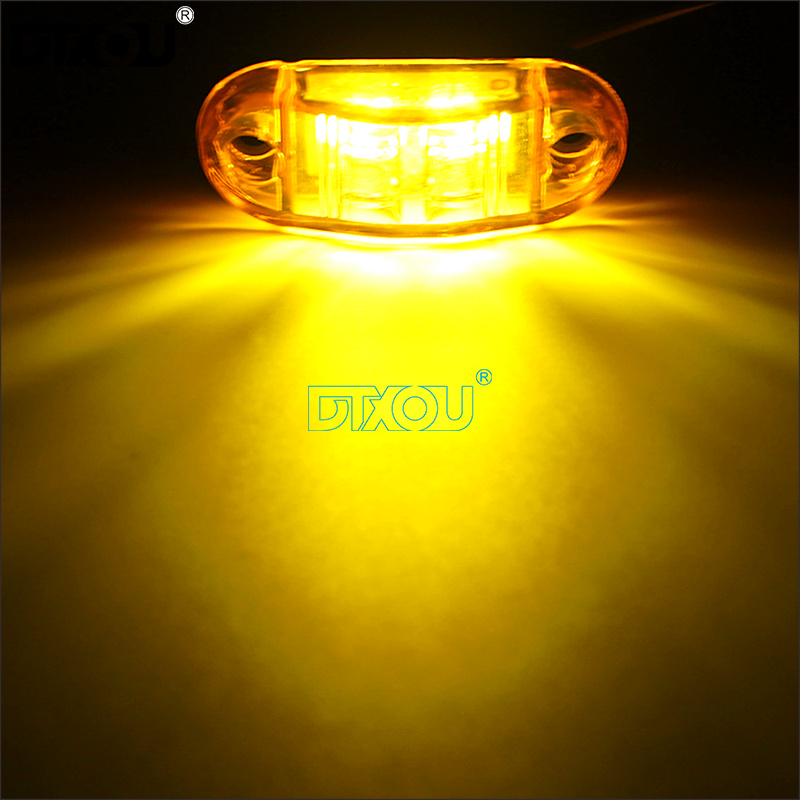
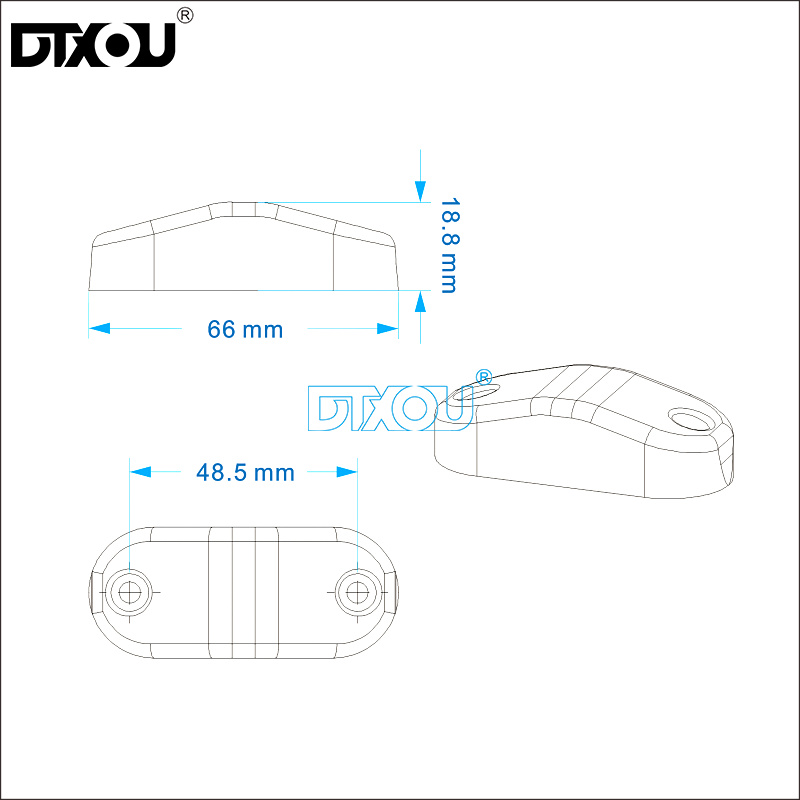
This driving indicator light is an essential component of a vehicle's lighting system. It serves as a visual signal to communicate the driver's intentions to other road users.
Driving indicator lights are typically located on the front and rear of the vehicle. The front indicators are usually incorporated within the headlight assembly or placed adjacent to it, while the rear indicators are often part of the taillight cluster.
These lights come in various colors, with amber or orange being the most common for indicating turns. When the driver activates the turn signal lever, the corresponding side's indicator light flashes rhythmically to alert others that the vehicle is about to change direction.
Modern driving indicator lights are often equipped with LED (Light Emitting Diode) technology, which offers several advantages such as increased brightness, lower power consumption, and longer lifespan compared to traditional incandescent bulbs.
In addition to indicating turns, some vehicles also have hazard warning indicator lights. When activated, all the indicator lights on the vehicle flash simultaneously to warn other drivers of an emergency or a vehicle breakdown.
Proper functioning of the driving indicator lights is crucial for safe driving and helps prevent accidents by providing clear and timely signals to fellow road users.